

Why Does My Carpet Smell?
If your carpet gives off an unpleasant odor — whether it’s musty, sour, or ammonia-like — it’s often a sign that moisture or bacteria are trapped beneath the surface. Carpets act like air filters, holding dirt, oils, and spills over time. When combined with humidity or poor ventilation (common in Central Texas), those trapped particles start to break down and smell.
Refresh your home with professional, high-heat carpet cleaning for up to 3 rooms starting at just $99.
Fast drying, spotless results, and honest service from Rapid Dry Moisture Recovery Services.
📞 Call (254) 218-3757 or Book Online — spots fill up fast!
1. Musty or Mildew Odor
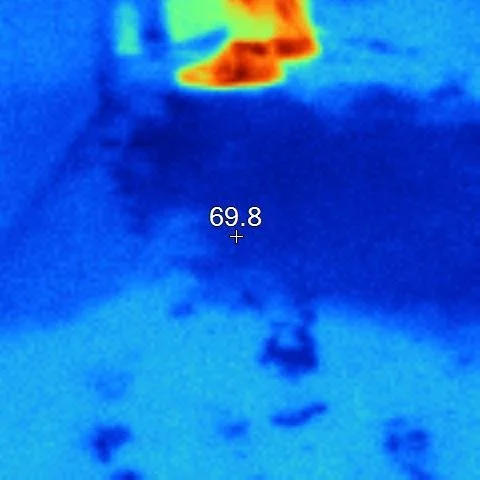
Thermal imaging photo showing hidden moisture in carpet padding after a leak, used by Rapid Dry Moisture Recovery Services for water damage detection in Belton, TX.
A musty or “wet basement” smell almost always signals that moisture has reached the carpet pad or subfloor. Even a small spill or high humidity can create the perfect breeding ground for mold and bacteria.
Common hidden causes include:
A slow plumbing leak under a sink, toilet, or slab
Pet accidents or spills that were surface-cleaned but not dried through the pad
Damp air from crawlspaces or foundation cracks (common in older Central Texas homes)
Running an air conditioner too cold without dehumidification, which traps moisture in carpet fibers
When that moisture lingers, microbial growth begins within 24–48 hours. As the IICRC explains:
“Mold can begin to grow within 24 to 48 hours in moist conditions if organic materials are present.” — IICRC S500 Standard & Reference Guide
Fix: Professional hot-water extraction and dehumidification remove moisture deep in the carpet and padding, neutralizing odors at the source. But padding is like a big sponge and it can hold and trap odors - if the pad stays wet for more than a day or two, it typically begins to sour and needs to be removed and replaced, since trapped moisture can’t always be fully cleaned or dried once contamination begins.
If you’re in Belton, Temple, Killeen or Waco and notice a persistent musty odor, it’s likely time for a professional inspection. Catching it early can prevent subfloor damage, mold growth, and costly replacement.
2. Sour or Vinegar Smell
“Tip: When cleaning carpets yourself, avoid over-wetting or using too much detergent. Most home machines don’t have the vacuum strength to fully extract water, leaving the carpet damp longer than it should be — which is when that sour smell begins.”
A sharp, sour, or vinegar-like odor often means bacteria are growing in damp carpet fibers. This typically happens after DIY or over-the-counter carpet cleaning when excess water or detergent remains in the carpet. Without proper extraction and airflow, that leftover moisture becomes a breeding ground for bacteria.
You might also notice this smell a day or two after using a rental carpet cleaner — it’s not the machine, it’s the bacteria reacting with leftover soap and organic matter deep in the pile. Warm indoor temperatures can make the odor stronger.
Fix: A professional neutralizing rinse flushes out the built-up detergent and residue, while an antimicrobial treatment (such as Mediclean or Microban) targets the bacteria at the source. Unlike scented sprays, these solutions sanitize and restore a clean, neutral smell that lasts.
3. Ammonia or Pet Odor (The Real Culprit Behind That Smell)
Accidents happen — but pet urine doesn’t have to leave lasting odors or stains.
Today in Belton, TX, we used our professional hot water extraction process and a spot water claw to flush pet urine and bacteria from deep within the carpet pad. Rapid Dry Moisture Recovery Services, serving Belton, Temple, and Killeen, provides IICRC-certified carpet cleaning and pet odor removal that eliminates smells at the source for a cleaner, healthier Central Texas home.
Does your carpet smell like dog pee? Pet urine might seem to disappear after blotting, but the liquid often soaks through the carpet fibers and stays trapped in the padding. As it dries, uric acid crystals harden beneath the surface. When humidity rises (common in Central Texas), those crystals react with moisture in the air and release that sharp ammonia smell that won’t go away.
Why DIY cleaners fail:
Typical spot sprays only mask the odor on the surface. Without a full flush and extraction, urine salts remain and can re-activate months later.
How Rapid Dry handles it:
Enzymatic and antimicrobial treatments neutralize odor at the molecular level.
A spot water claw extracts deep moisture and bacteria from the pad.
We use hot water extraction to liquefy dried residues.
🎥 Watch the short clip below to see our process in action — flushing pet urine and extracting it from deep within the fibers using a spot water claw.
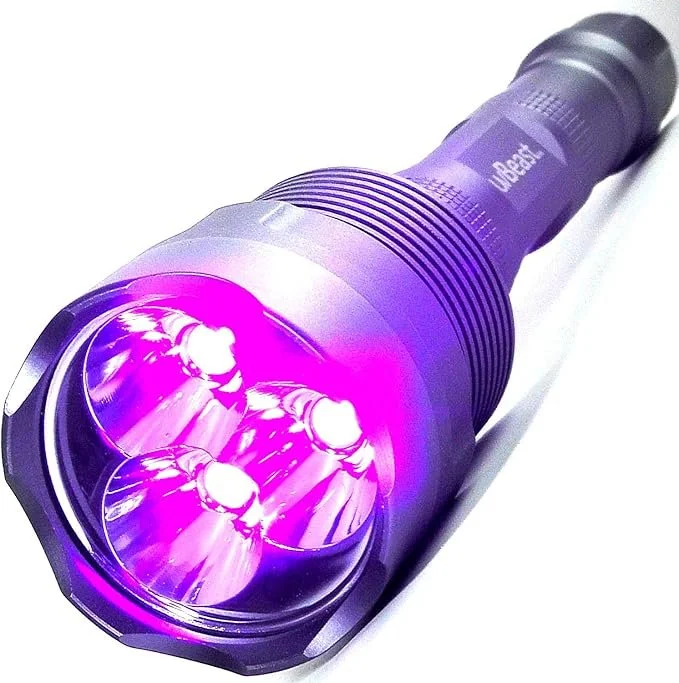
Pet accidents often soak deep into carpet padding where they can’t be seen — but a UV flashlight reveals every hidden spot.
👉 Check out the uvBeast Black Light Flashlight on Amazon — the same model we use to locate odor sources before cleaning.
Pro Tip: If your pet keeps returning to the same area, lingering odor cues in the pad are likely to blame. Professional neutralization eliminates those scent markers for good.
4. “Wet Dog” Smell
That unmistakable “wet dog” odor doesn’t always mean you actually have pets. It often develops when organic matter like skin cells, hair, dust, and body oils collect in carpet fibers and then absorb moisture from humidity, spills, or cleaning residue. When those organic materials get damp, bacteria and yeast begin to break them down, releasing that musty, dog-like odor into the air.
A Killeen homeowner’s carpet during cleaning — the right side shows deep grime and traffic wear, while the left side reveals fresh, restored carpet after just one pass with Rapid Dry’s high-heat truckmount system. Proof of the power of professional carpet cleaning done right.
This is especially common in Central Texas homes during humid weather or after a DIY carpet cleaning where too much water or soap was left behind. As humidity rises, those damp carpet fibers can “reactivate” older odors trapped deep in the pile or padding.
Fix: Professional truck-mounted hot-water extraction reaches far deeper than portable or rental units, using high heat and strong vacuum power to remove soil, oils, and bacteria from carpet fibers and padding. After cleaning, applying a medical-grade odor neutralizer or enzyme treatment (such as Mediclean or Unsmoke) breaks down the remaining odor molecules at a chemical level. The result is a fresh, clean carpet with no lingering “wet dog” smell — even in homes without pets.
Optional Advanced Treatment:
For stubborn “wet dog” or musty odors that linger even after deep cleaning, a controlled ozone treatment can be highly effective. Ozone oxidizes odor molecules in the air and carpet fibers, breaking down organic compounds that cause smells from bacteria, pet residue, or old moisture.
However, it’s important to note:
Ozone should only be applied in unoccupied areas by trained professionals, as high concentrations can be harmful during treatment.
It works best after the carpet is fully dry and cleaned — not as a substitute for extraction or antimicrobial treatment.
When combined with proper drying, dehumidification, and hot-water extraction, ozone helps permanently neutralize lingering “wet dog” or mildew odors.
5. Prevent Future Odors
Keeping carpets fresh isn’t just about cleaning — it’s about controlling moisture, air quality, and buildup before problems start. Central Texas humidity, hard water, and seasonal dust can all contribute to odor issues if not managed proactively.
Here’s how to stay ahead of it:
“I walk into many homes with an odor problem and they often have the windows open and air conditioner off. This can cause higher humidity, which will absorb into the source of odors and magnify them.”
Maintain indoor humidity below 50%. Use your home’s A/C system or a portable dehumidifier to prevent microbial growth in carpet padding and subfloors.
Vacuum weekly with a HEPA-filtered vacuum. This removes skin cells, pet dander, and fine dust that bacteria feed on — the same materials that cause “wet dog” or musty smells.
Schedule professional hot-water extraction every 6–12 months. Regular deep cleaning removes oils and residues that trap odor and refreshes fibers before buildup sets in.
Dry spills immediately and run fans afterward. Even small spills can soak into padding within minutes and start to sour if left damp overnight.
Use a dehumidifier or air scrubber during humid months. These help keep air and surfaces dry, especially in homes near Lake Belton or older houses with crawlspaces.
Regular maintenance not only keeps carpets smelling fresh — it protects your home’s air quality, flooring investment, and indoor comfort year-round.
6. How Often Should You Vacuum?
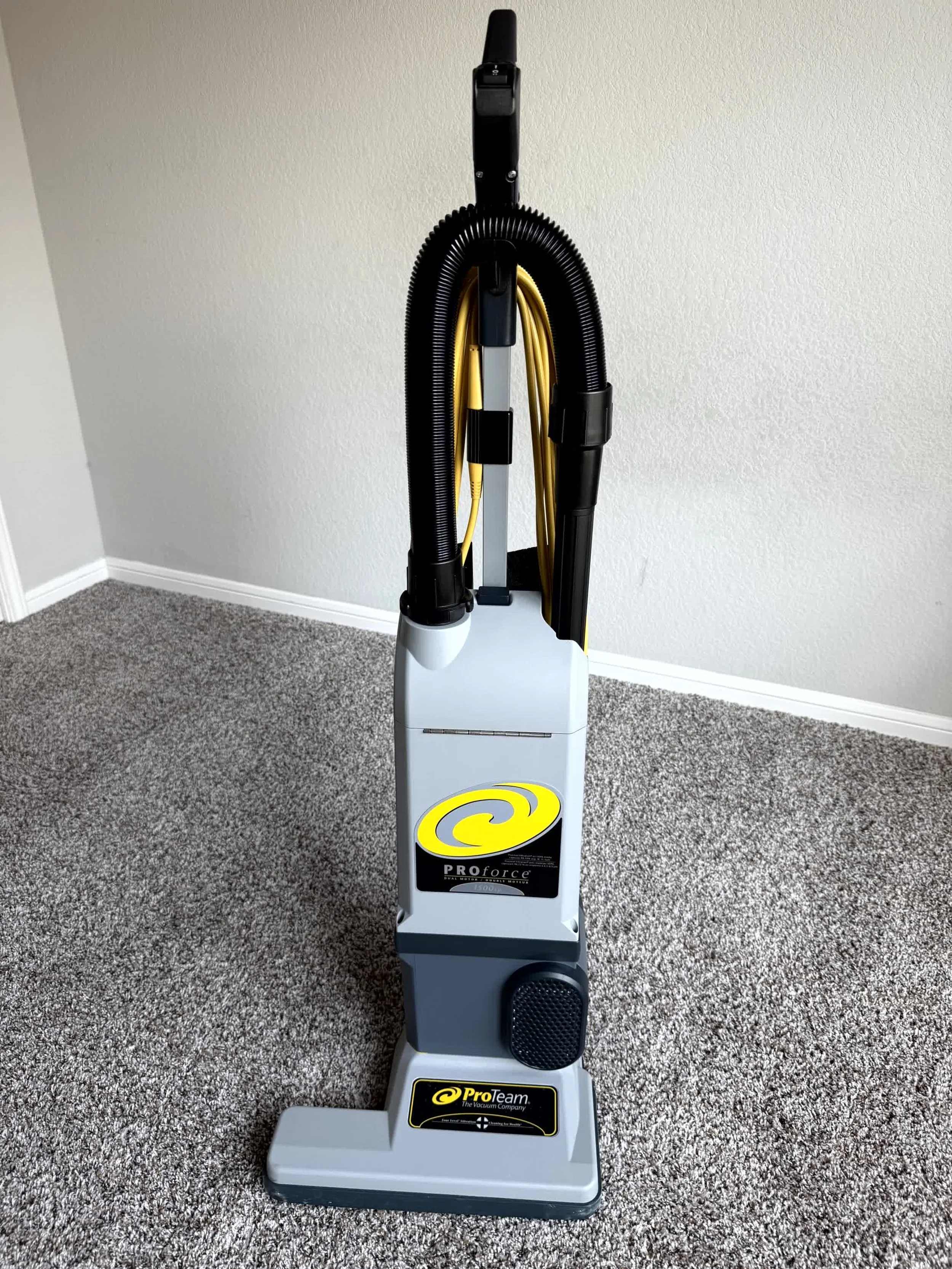
The ProTeam ProForce 1500XP is a true workhorse for professional cleaners. Its dual-motor system delivers powerful suction and consistent brush agitation, pulling deep dirt and debris from carpets that household vacuums leave behind. With four-stage HEPA filtration, it captures fine dust and allergens — keeping air cleaner on every job. The low-profile design glides easily under furniture, and the long 50-ft power cord means fewer stops to unplug and move.
If you want reliable, commercial-grade cleaning performance day after day, the ProForce is worth every penny.
Frequency:
High-traffic areas (living rooms, hallways, entries): Daily or every other day
Medium-traffic areas (bedrooms, offices): 2–3 times per week
Low-traffic or unused rooms: Once per week
Tools & Technique:
Use a vacuum with a HEPA filter to capture fine dust, dander, and allergens (recommended by the Carpet & Rug Institute).
For plush or cut-pile carpets, use a vacuum with adjustable height and a rotating brush (beater bar) to lift soil from deep in the fibers.
For wool, loop-pile, or delicate rugs, turn off the brush or use suction-only mode to avoid fuzzing or damage.
Make multiple slow passes over each section — about one foot per second — rather than quick swipes.
Replace or empty filters and bags regularly to maintain suction and prevent odors from recycling through the air.
Why it matters:
Vacuuming isn’t just for appearances — it removes dry soil and organic debris that feed odor-causing bacteria when moisture appears. The EPA and IICRC both emphasize that regular vacuuming can extend carpet life and prevent microbial growth in humid regions like Central Texas.
Pro Vacuuming Tips
Keep odors and buildup under control between professional cleanings with these expert tips:
✅ Use a HEPA vacuum.
A HEPA filter traps fine dust, dander, and allergens that can sour or cause musty smells when humidity rises.
✅ Adjust your height setting.
Too low and you’ll damage carpet fibers; too high and you’ll leave dirt behind. Set the beater bar so it just grazes the surface.
✅ Vacuum slowly — about 1 foot per second.
One slow pass removes far more dirt than several quick ones. Make multiple passes in different directions for deeper cleaning.
✅ Hit high-traffic zones often.
Vacuum living areas, entries, and hallways daily or every other day — bedrooms at least twice a week.
✅ Empty the bin and clean filters regularly.
A full dust cup reduces suction and can re-release odors back into the air.
✅ Avoid moisture.
Never vacuum a damp or wet carpet — that spreads bacteria and can damage your vacuum motor.
7. Advanced Odor Removal with Ozone Treatment
Some odors go beyond what surface cleaning can solve — especially after pet accidents, mildew, or smoke exposure. That’s where ozone treatment comes in. Rapid Dry uses controlled ozone generation to neutralize airborne and embedded odor molecules in carpets, furniture, and the air itself.
Ozone works at the molecular level, breaking down odor-causing bacteria, smoke residue, and organic compounds without masking them. This process restores a fresh, clean scent throughout your home and is safe when performed by certified professionals.
Learn more about our Ozone Odor Removal Services available across Belton, Temple, and Killeen, TX.
8. Smart DIY Carpet Odor Fixes (Before You Call a Pro)
A few basic steps can help control odors as long as:
The carpet is not contaminated by sewage or floodwater
The pad isn’t still soaked
There’s no active leak
Do this first:
Find and fix the source
Check for leaks under sinks, behind toilets, around AC closets, and under pet beds or furniture. If the source is still wet, the smell will come back.Dry the area fast
Run ceiling fans, point a box fan across the carpet (not straight down), and, if you have one, run a dehumidifier to pull moisture out of the room.Blot, don’t scrub
For fresh spills, use white towels and press firmly. Scrubbing frays the fibers and can push odors deeper into the backing and pad.Light vinegar rinse for minor sour smells
For small, non-urine spots: mix 1 part white vinegar to 4 parts water, lightly mist the area, and blot with towels. Don’t soak it—more liquid = more odor later.Vacuum slowly with a good filter
Make two or three slow passes with a vacuum that has a HEPA or high-quality filter. Dry soil, dust, and hair all contribute to that “old carpet” smell.
9. Common DIY Mistakes That Make Carpet Odors Worse
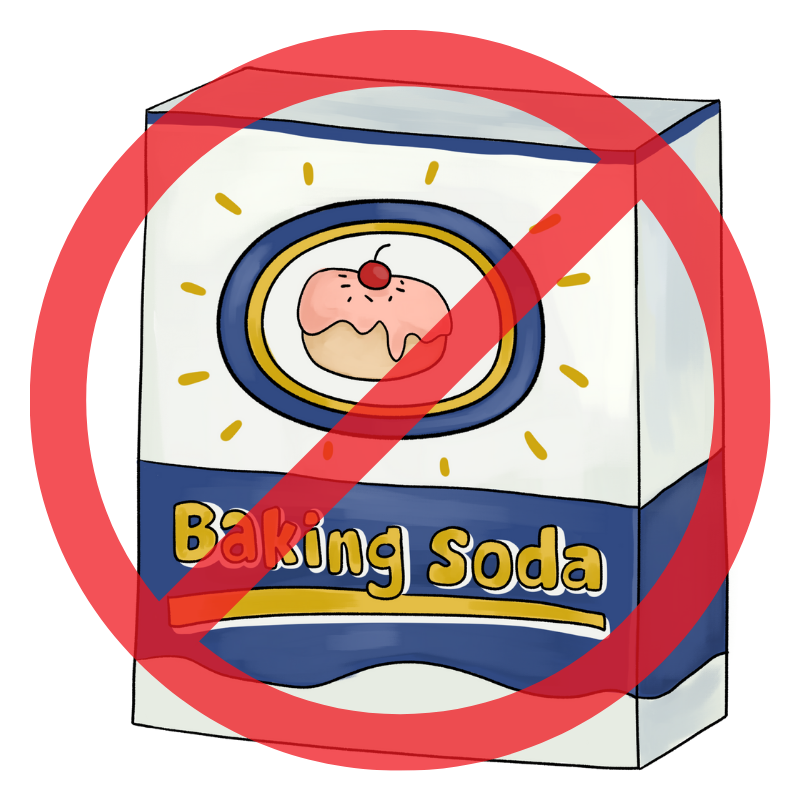
NO BAKING SODA ON CARPETS!
Baking soda isn’t a carpet deodorizer—it’s an abrasive powder that’s hard to remove and can make smells worse over time
A lot of “TikTok hacks” actually lock in odors or damage the carpet. Here’s what to avoid:
Dumping baking soda on the carpet
Skip the baking soda carpet hacks.Baking soda is a fine abrasive. Over time it can dull and roughen modern soft carpet fibers.
The powder settles deep into the backing and pad where a normal vacuum can’t pull it out, so it just sits there, trapping smells.
It can also clog vacuums and, in some cases, void carpet warranties that warn against powder deodorizers.
If you’ve already used a lot of powder products, it’s usually best to have the carpet professionally flushed and extracted.
Over-wetting with rental or home machines
Putting too much water down without strong extraction leaves the pad damp. That’s when you get sour, mildew, or “wet dog” odors days after cleaning.Using lots of soap and no rinse
Extra soap doesn’t mean extra clean. Residue left in the fibers acts like a dirt magnet, and as that soil builds up, it starts to stink.Steam mops on carpet or rugs
Steam mops are meant for hard floors. On carpet, they can overheat the backing, over-wet the pad, and cause wrinkles, damage, and persistent odor.Heavy perfumes and essential oils
These don’t remove the source—they just mask the smell. Oils can also bond to fibers and make proper deodorizing harder later.
10. Why Do Carpet Spots Keep Coming Back After You Clean Them?
If you’re cleaning spots yourself and they keep reappearing, it’s usually one (or a combo) of these:
Wicking from the pad
The spill soaked all the way into the pad or backing. Your DIY cleaner only got the top fibers, so as the carpet dries, the stain “wicks” back up to the surface.Too much water, not enough extraction
Rental and home machines put plenty of water down, but don’t have truck-mount suction. Extra moisture carries the stain deeper, and then it slowly climbs back up as it dries.Soap residue left in the carpet
Using a strong cleaner with no rinse leaves sticky residue in the fibers. That residue grabs dirt and oils from shoes and pets, so the spot looks like it “came back” when it’s really new soil sticking to old soap.Wrong product for the spill
One bottle for “everything” rarely works. Pet urine, coffee, grease, and wine all need different chemistry. The wrong product can set the stain or push it deeper.Scrubbing too hard
Aggressive scrubbing can fray the tips of the fibers and spread the spill outward. The damaged area then holds soil and starts to look like a big shadow around the original spot.Pad or subfloor still contaminated
With pet urine, drink spills, or repeated accidents, the real problem is often in the pad or even the subfloor, not just the carpet. A quick surface clean won’t reach it.DIY deodorizer powders
Baking soda and store-bought powders settle deep where vacuums can’t reach. They hold onto moisture, oils, and odor molecules—so the smell and the stain seem to “re-activate” later.High humidity and slow drying
If the room is humid and air flow is poor, the carpet stays damp for too long. That gives bacteria and mildew time to grow, and old spots darken or start to smell again.

A truck mount extractor has more suction, heat, and power to fully clean your carpets over a portable machine.
When It’s Time to Call a Pro
DIY is great for small, simple spots. But there’s a point where you’re just chasing the same stains and smells in circles. It’s time to bring in a professional carpet cleaner when:
The same spots keep coming back
You’ve cleaned them two or three times and they still reappear as soon as the carpet dries—that usually means the pad or backing is still contaminated.The pad has been wet for more than 24–48 hours
At that point, odor, bacteria, and sometimes mold become a real concern. The fix may involve deep extraction, pad work, or partial replacement, not just surface cleaning.You smell “wet dog,” sour, or mildew no matter what you do
Air fresheners and powders only mask the problem. Persistent odor usually needs high-heat truckmount cleaning and proper deodorizing chemistry to actually remove the source.Pet accidents have soaked through
Repeated pet urine in the same areas often goes into the pad and even the subfloor. That’s when professional pet treatment (and sometimes pad replacement) is the only way to truly reset the room.The affected area is larger than a small spill
Multiple rooms, hallways, or heavy traffic lanes are hard to tackle evenly with a small DIY machine. A pro can flush, rinse, and dry everything consistently so it looks and smells right.Health, kids, or allergy concerns are involved
If someone in the home has asthma, allergies, or a sensitive immune system, it’s worth having a pro remove as much dust, dander, and bacteria as possible instead of just “freshening” the surface.
When you hit any of these, it’s usually cheaper and faster in the long run to have a professional reset the carpet properly instead of re-cleaning the same spots every few weeks.
Rapid Dry Offers $99 for up to 3 rooms.
Central Texas Odor Removal Experts
Rapid Dry Moisture Recovery Services provides medical-grade restoration and carpet odor removal in Belton, Temple, and Killeen. Our IICRC-certified process eliminates odor-causing bacteria and moisture for a cleaner, healthier home.
📞 Call (254) 218-3757 for professional odor and moisture removal.
Same-day service available.
Areas We Serve

Bell County (Primary Service Area):
Belton • Temple • Killeen • Harker Heights • Nolanville • Salado • Troy • Little River-Academy • Holland
Williamson County:
Jarrell • Georgetown • Round Rock • Hutto • Liberty Hill
Coryell County:
Copperas Cove • Gatesville
McLennan County:
Waco • Hewitt • Robinson
Milam County:
Cameron • Rockdale
Falls County:
Marlin • Lott
-
A musty smell after cleaning usually means moisture is trapped beneath the carpet or padding. When carpets dry too slowly, bacteria and mildew can grow underneath. Rapid Dry uses high-heat extraction and professional air movers to speed up drying and eliminate hidden dampness that causes odors.
-
Pet urine seeps into padding and can reactivate every time humidity rises. The best solution is enzyme-based odor neutralizers that break down urine crystals instead of masking them. Rapid Dry treats both the surface and sub-floor to completely eliminate odor sources. You can also check for hidden stains with a UV flashlight like this one before cleaning to ensure no spot is missed.
-
Yes. Even if it feels dry, carpet fibers and backing can hold residual moisture from previous spills or high indoor humidity. That lingering dampness allows mildew and bacteria to develop. A professional deep clean and dehumidification treatment will remove trapped moisture and restore freshness.
-
If odors return, it means the underlying source — such as pet contamination or soaked padding — wasn’t fully neutralized. Rapid Dry uses moisture detection and antimicrobial treatments to target odor at its origin. We can also apply protectants that prevent future bacterial growth and help carpets stay cleaner longer.
-
For most Central Texas homes, carpets should be professionally cleaned every 6–12 months. High-traffic areas, homes with pets, or humid indoor conditions may require cleaning every 3–6 months. Regular maintenance prevents buildup of bacteria, dander, and moisture — keeping your carpets fresh, healthy, and longer-lasting.
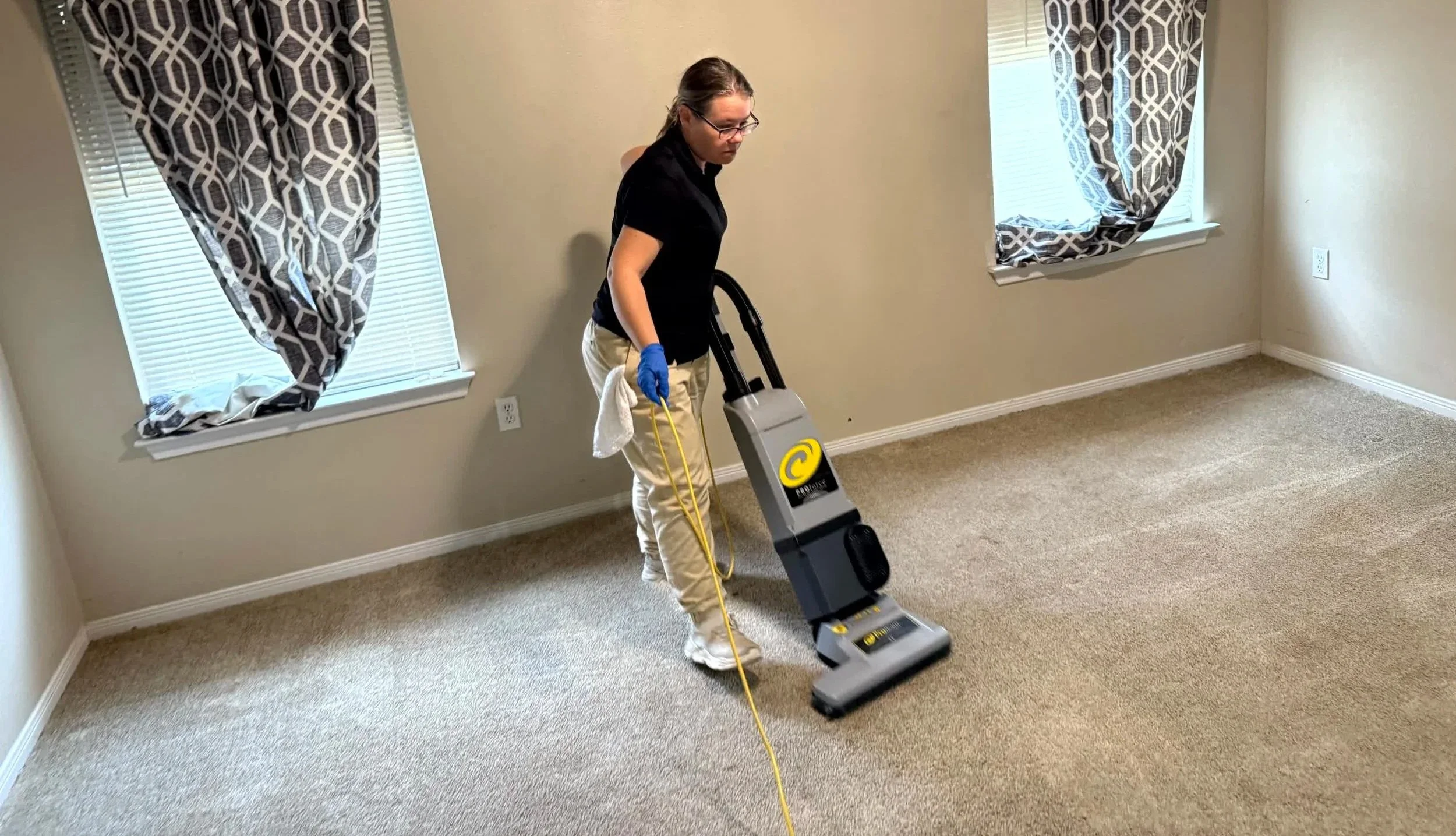
ProTeam ProForce 1500XP
Stacey from Rapid Dry uses the ProTeam ProForce commercial vacuum to remove embedded dirt and allergens before hot water extraction. The dual-motor system provides powerful, consistent cleaning across both carpet and hard surfaces.
Disclosure: As an Amazon Associate, Rapid Dry Moisture Recovery Services earns from qualifying purchases.
