

What Is Category 1, 2, and 3 Water Damage? Why It Matters for Your Home
When water damage hits your home, it’s not just about grabbing a shop-vac and a fan.
The type of water in your house, called the category, tells us:
How dangerous the situation is
What can be cleaned vs. what has to be removed
What kind of protective gear and equipment we use
How your insurance company is likely to look at the loss
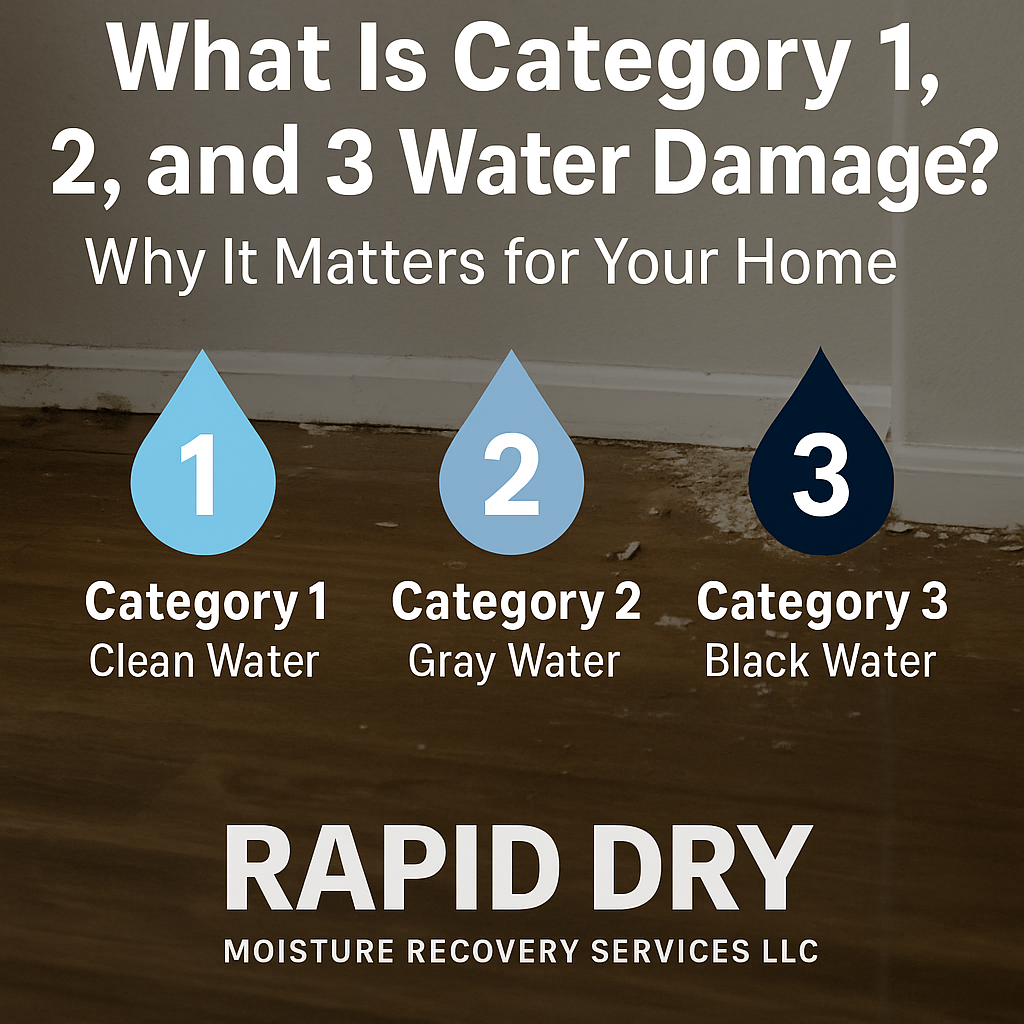
According to the IICRC S500 Standard for Professional Water Damage Restoration, water is grouped into three categories based on contamination.
Let us at Rapid Dry Moisture Recovery Services break it down.
Category 1: “Clean” Water
Category 1 is the least contaminated type of water damage. It usually starts as water you’d be comfortable touching or using in your home.
Common Category 1 sources:
“Even ‘clean’ water can turn into Category 2 or 3 once it runs through dirty or unsafe materials like soil, drywall, or sewage lines.”
Broken or burst supply lines
Overflowing sinks or bathtubs (with no soaps, dirt, or waste)
Leaks from ice maker lines, toilet tanks, or water heaters
Malfunctioning appliances that use clean water, like a washing machine fill hose
At this point, the water doesn’t pose a major health risk by itself.
⚠️ But here’s the catch: Category 1 doesn’t stay clean for long.
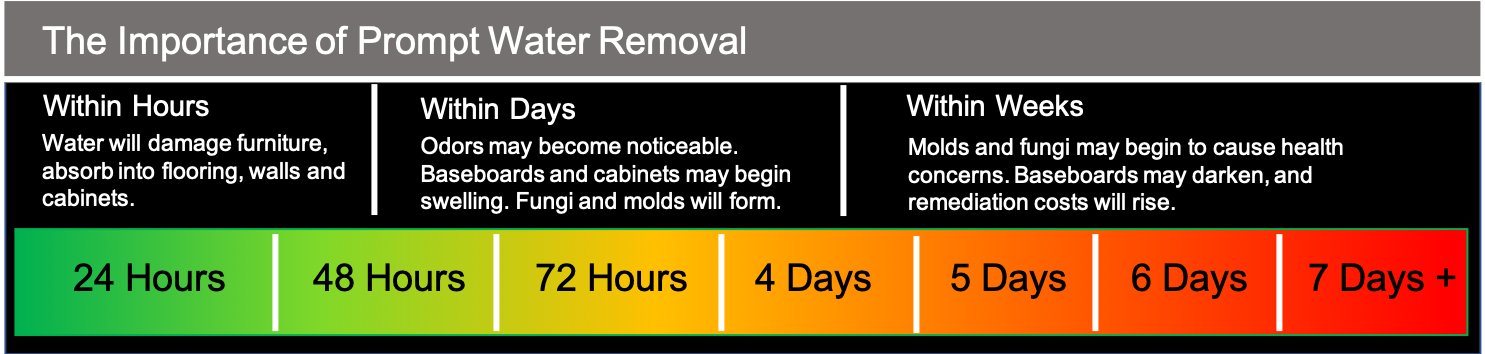
Within 24–48 hours, standing water can pick up dirt, bacteria, and building contaminants and turn into Category 2 or even Category 3.
Risks of ignoring Category 1 water:
Swollen baseboards, trim, and cabinets
Warped wood floors and subfloors
Hidden moisture inside walls and under flooring
Mold growth if the structure isn’t dried properly
Rapid Dry Response (Category 1):
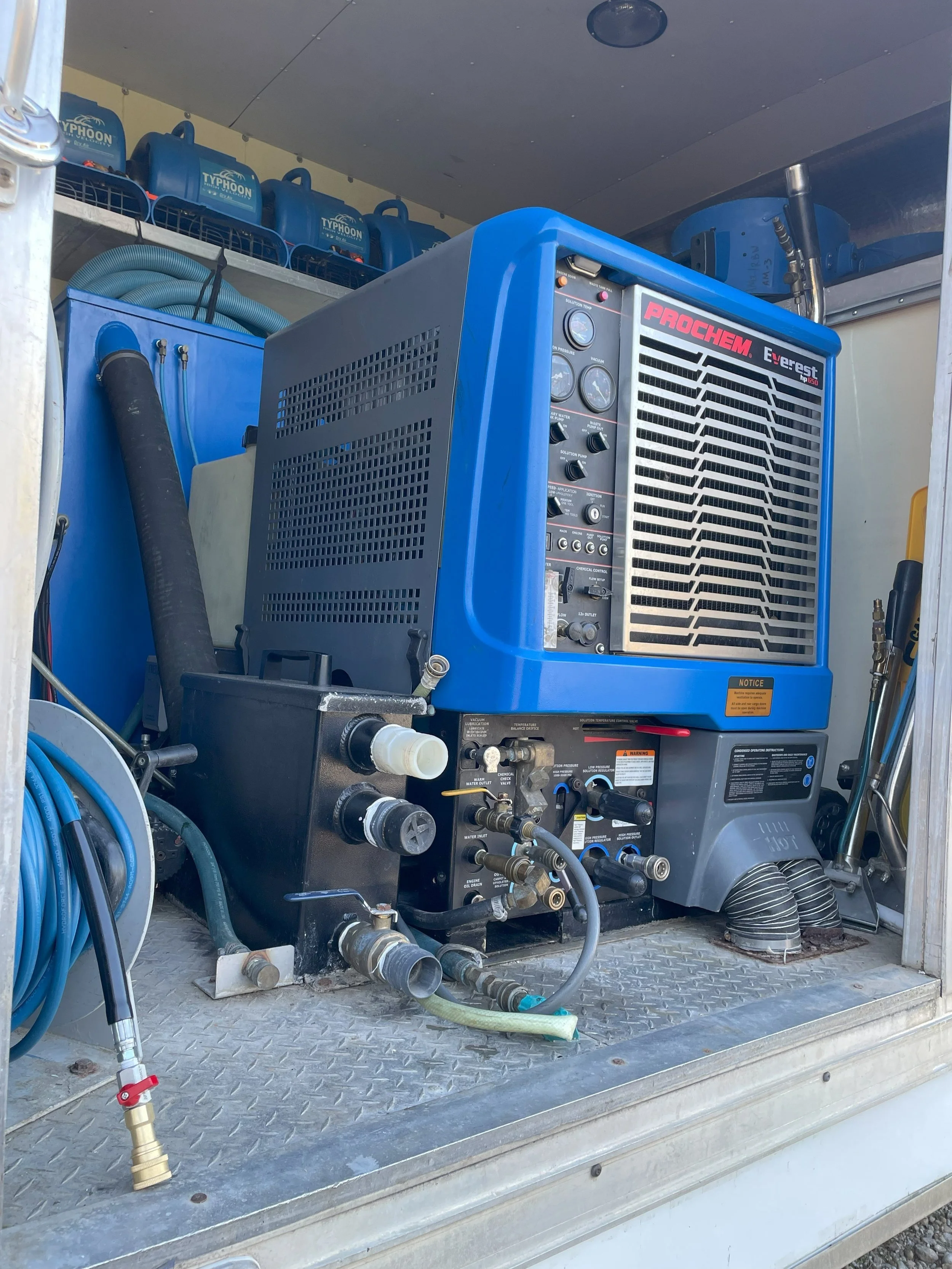
Fast water extraction using truck-mounted equipment
Strategic placement of air movers and dehumidifiers
Moisture meter and thermal imaging checks to see where water traveled
Daily monitoring until materials hit proper dry standards per IICRC S500
We don’t just dry what you can see. We hunt down the moisture that hides in walls, floors, and cavities so you don’t end up with surprise mold later.
IICRC S500 Category 1 Definition - Category 1 water originates from a sanitary water source and does not pose substantial risk from dermal, ingestion, or inhalation exposure. Examples of Category 1 water sources can include, but are not limited to: broken water supply lines; tub or sink overflows with no contaminants; appliance malfunctions involving water-supply lines; melting ice or snow; falling rainwater; broken toilet tanks, and toilet bowls that do not contain contaminants or additives. However, once clean water leaves the exit point, it may not remain clean once it contacts other surfaces or materials.
Category 2: “Gray” Water
Now we’re moving into the “this is getting gross” category.
Category 2 water contains a significant level of contamination – more than Category 1, but not quite sewage.
Common Category 2 sources:
Washing machine overflows (soaps, dirt, skin cells, lint)
Dishwasher leaks (food particles, detergents, grease)
Toilet bowl overflow without feces
Long-standing Category 1 water that’s been sitting for a day or two
“ Odors can indicate that Category 1 water has deteriorated.
Some factors that influence the potential organic and inorganic load in a structure include the age and
history of the structure, previous water losses, general housekeeping, the type of use of the structure, and
elapsed time or elevated temperature.
”
This water can cause discomfort or illness if someone ingests it or has prolonged contact with it, especially kids, elderly family members, or anyone with a weaker immune system.
⏱️ Category 2 doesn’t sit still either, left untreated, it can degrade into Category 3.
Risks of Category 2 water:
Bacteria and microorganisms that can irritate skin or cause GI issues
Odors that spread through the home
Increased chance of materials needing to be removed instead of cleaned
Rapid Dry Response (Category 2):
Containment to keep clean areas clean
Careful extraction to remove as much contaminated water as possible
Removal of some porous materials (pad, some insulation, heavily soiled carpet, etc., depending on the situation)
Application of EPA-registered antimicrobials
Professional drying and monitoring until the structure meets dry-standard goals
We step up the PPE, the documentation, and the cleaning protocols because Category 2 is “gray” – and gray water doesn’t get the benefit of the doubt.
IICRC S500 Category 2 Definition - Category 2 water contains significant contamination and has the potential to cause discomfort or sickness if contacted or consumed by humans. Category 2 water can contain potentially unsafe levels of microorganisms or nutrients for microorganisms, as well as other organic or inorganic matter (chemical or biological). Examples of Category 2 water can include, but are not limited to: discharge from dishwashers or washing machines; overflows from washing machines; overflows from toilet bowls on the room side of the trap with some urine but no feces; seepage due to hydrostatic pressure; broken aquariums and punctured water beds.
Category 3: “Black” Water – The Danger Zone
🚨 Category 3 is the highest level of contamination. This is where we’re dealing with water that can contain:
“Category 3 water is often called ‘black water,’ but it doesn’t have to look dark or dirty. It can appear clear and still be loaded with sewage, bacteria, and harmful contaminants, which is why the color-based nickname is misleading.”
Sewage
Feces and urine
Soil, pesticides, and chemicals
Pathogens, bacteria, and viruses
Medications
Chemicals
Heavy metals
“Environmental studies of sewage sludge show it can contain pathogens, pharmaceuticals, personal care chemicals, and metallic particles all at once, which is why professionals focus on contamination level—not water color.” - National Library of Medicine
In IICRC language, Category 3 water is “grossly contaminated.”
Common Category 3 sources in Central Texas:
Sewage backups from toilets, main sewer lines, and floor drains
Storm or creek flooding (Nolan Creek, Stillhouse/Belton Lake, street runoff) entering your home or garage
Backed-up bathtubs, showers, or floor drains carrying waste water
Long-standing water that has turned dark, smells bad, or shows visible growth
Risks of Category 3 water:
Serious health hazards – especially for kids, elderly family members, and pets
Contamination of ductwork, wall cavities, and porous building materials
Odors and microbial growth that linger long after the visible water is gone
This is not a DIY situation with bleach and a fan.
Rapid Dry Response (Category 3):
Full PPE for our team: suits, gloves, respirators, eye protection
Containment and negative air as needed to help control cross-contamination
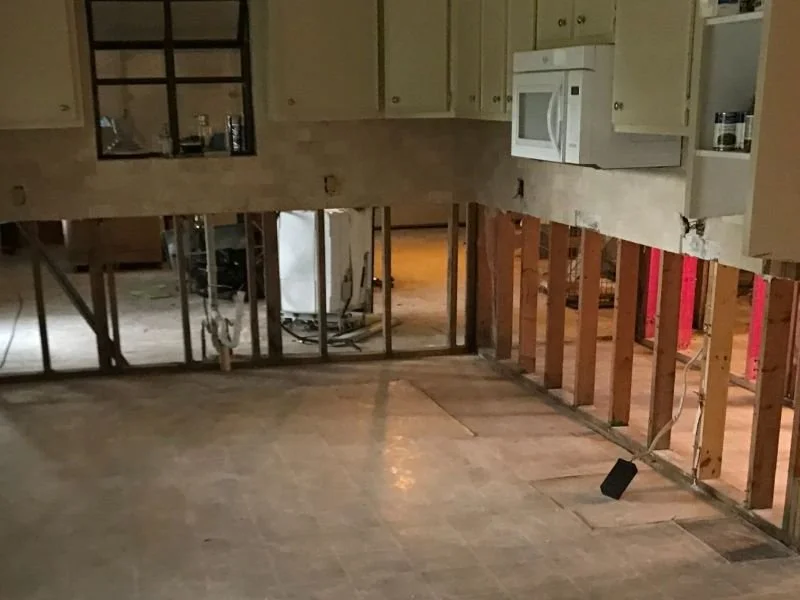
Removal of contaminated porous materials (carpet, pad, some drywall, insulation, affected contents)
Thorough cleaning and disinfection of all impacted surfaces. We perform medical grade restoration.
Air scrubbing with HEPA filtration to help clean the air
Structural drying with dehumidifiers, plus daily documentation
Moisture readings and photos for your insurance claim file
We follow the IICRC S500 standard for Category 3 water jobs from start to finish. That’s the standard most insurance companies recognize when they review your claim.
IICRC S500 Category 3 Definition - Category 3 water is grossly contaminated and can contain pathogenic, toxigenic or other harmful agents. Examples of Category 3 water can include, but are not limited to: sewage; toilet backflows that originate from beyond the toilet trap regardless of visible content or color; all forms of flooding from seawater; ground surface water and rising water from rivers or streams, and other contaminated water entering or affecting the indoor environment, such as wind-driven rain from hurricanes, tropical storms, or other weather-related events. Such water sources may carry silt, organic matter, pesticides, heavy metals, regulated materials, or toxic organic substances.
Learn More About Sewage Cleanup
Why the Water Category Matters So Much
Knowing whether your loss is Category 1, 2, or 3 affects:
1. Safety Measures
What protective gear technicians use
Whether containment or negative air is needed
Whether it’s safe for your family to stay in the home during work
2. What Can Be Salvaged
Some Category 1 materials can be dried in place
Category 2 may require pad removal and more aggressive cleaning
Category 3 often means removal and replacement of all affected porous materials for health and safety reasons
3. Insurance and Documentation
Insurance adjusters look at:
Source of the water
Duration (how long it sat)
Category and Class of damage (how far it spread and how materials were affected)
At Rapid Dry, every job is documented with:
Photos and videos
Moisture and humidity readings
Notes on category, class, and equipment used
That way, your claim has a clear, professional story behind it—not just “we dried it out.”
What are you covered for?
How We Classify Your Loss (The IICRC Way)
When we arrive at a water damage job in Belton, Temple, Killeen, or anywhere in Central Texas we:
Inspect the source and path of water
Determine the category of water (1, 2, or 3) based on IICRC S500
Identify the class of damage (how much material is wet and how hard it will be to dry)
Check walls, floors, ceilings, cavities, and adjacent rooms using moisture meters and thermal imaging
Build a restoration plan that balances safety, salvaging what makes sense, and getting your home back to normal as quickly as possible
You don’t need to memorize the technical side. That’s what we’re here for. But understanding the basics of categories helps you make better decisions and ask better questions.
What You Should Do If Water Damage Happens
While you’re waiting for help:
Keep kids and pets away from affected areas
Avoid walking through standing water, especially if it may be from a sewer or drain
If safe, turn off affected electrical circuits from a dry location
Do not start cutting into walls or running fans that could blow contaminated air around
Take photos and videos for your insurance company
Call a certified water damage company right away
Category 1–3 Water Damage Help in Central Texas
Whether your supply line burst under the kitchen sink or your bathroom backed up with sewage, the category of water matters—and so does the company you call.
At Rapid Dry Moisture Recovery Services, we provide:
24/7 emergency water removal
Category 1, 2, and 3 water damage cleanup
Crawlspace drying, structural drying, and odor control
Service throughout Belton, Temple, Killeen, and the surrounding Central Texas area
We don’t just dry your home. We make sure it’s clean, safe, and documented properly for your peace of mind and your insurance claim.
📞 Call or text 24/7 Phone Support: (254) 218-3757
📍 Belton, TX – Serving all of Central Texas
🌐 rapiddry.net
📞 254-218-3757
📍 Belton, TX
🌐 www.rapiddry.net
#WaterDamage #S500 #RapidDry #Category3NoThanks #MoldPrevention #IICRCStandard
-
Not always. Some losses fall into Category 2 if the contamination level is moderate. However, if water has come from a sewer line, outside flooding, or sat long enough to grow bacteria and mold, we treat it as Category 3 for safety.
-
Sometimes, but not always. It depends on how large the affected area is and whether we can fully contain the work zone. We’ll talk you through safe options for your family.
-
Many policies cover sudden and accidental sewage backups or plumbing failures, but not all cover storm or flood water. Coverage depends on your specific policy and any riders or exclusions. We’re happy to document and communicate with your adjuster, but we don’t decide coverage.
-
The sooner the better. Clean water can become gray or black water quickly. Calling within the first 24 hours gives you the best chance to save materials, reduce costs, and prevent mold.
